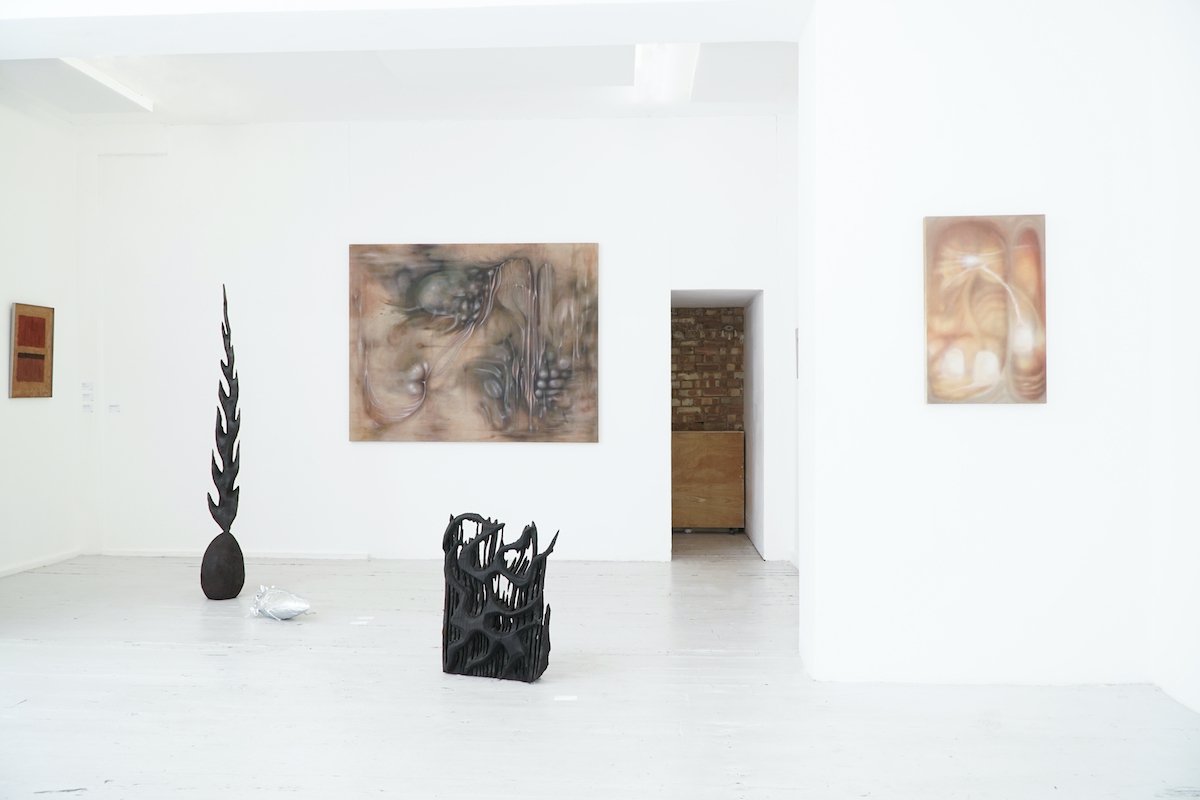
21–28 August 2026
Presented and produced by INKU Sphere, in collaboration with Somers Gallery
Curated by Shuning Liu
Exhibition photography by the INKU Sphere team
A response may arrive incomplete, displaced,
or changed beyond recognition.
Still, it alters the room.
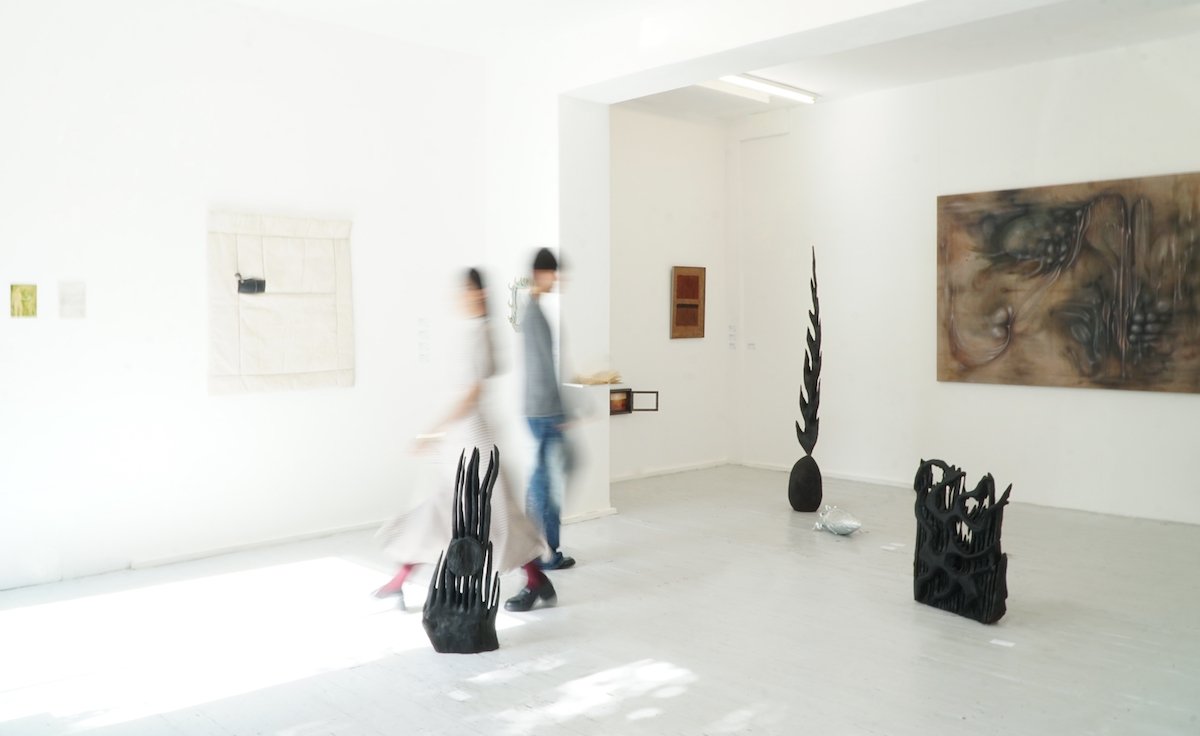
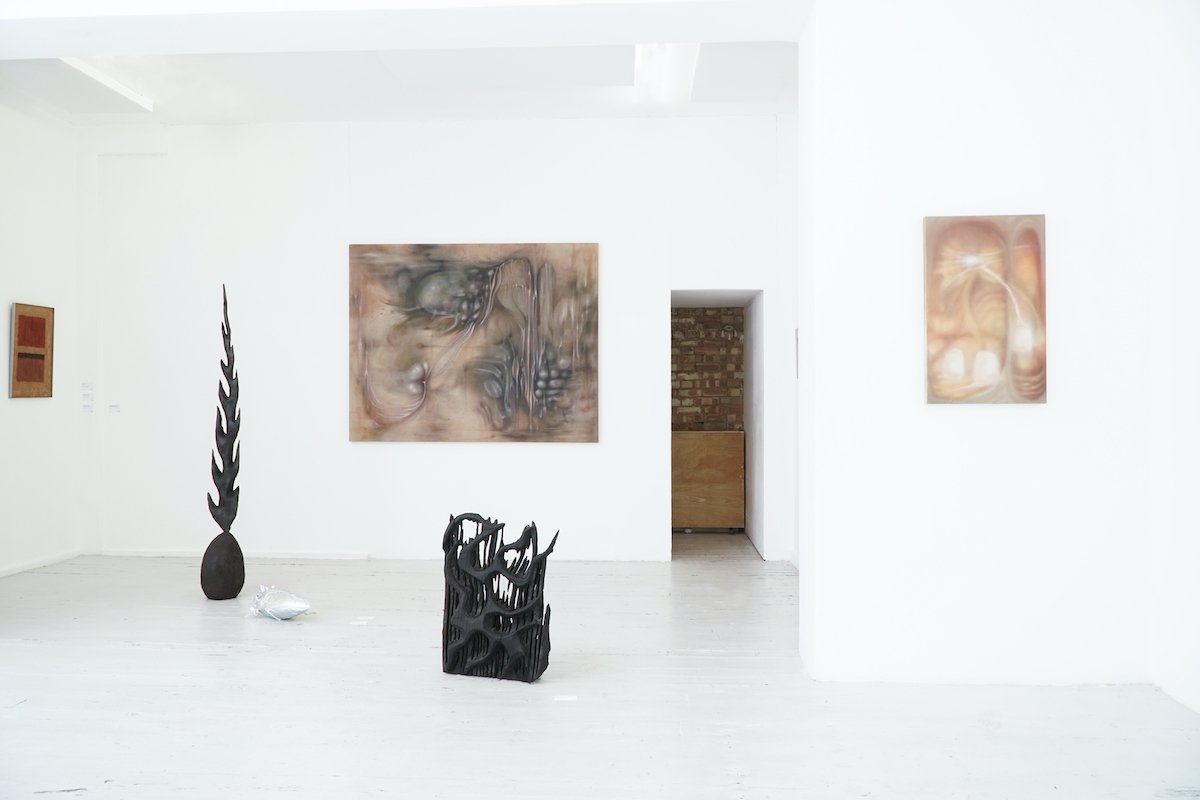
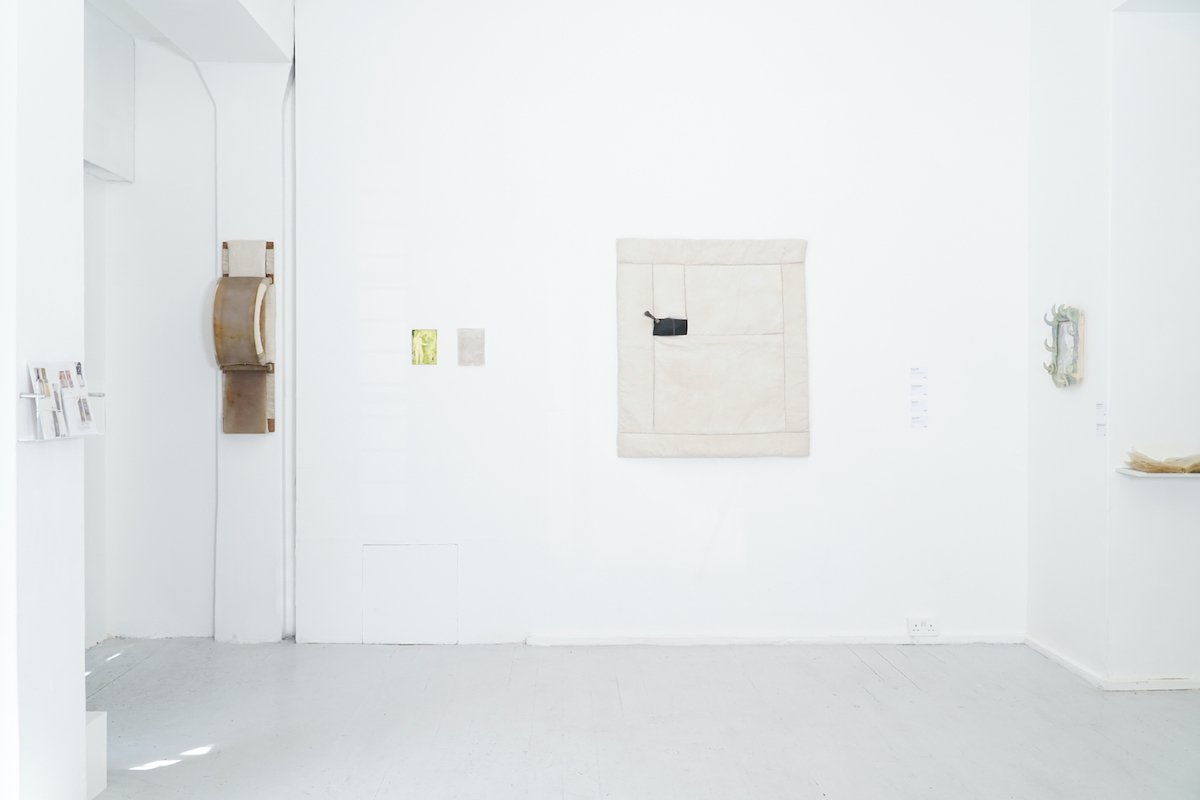
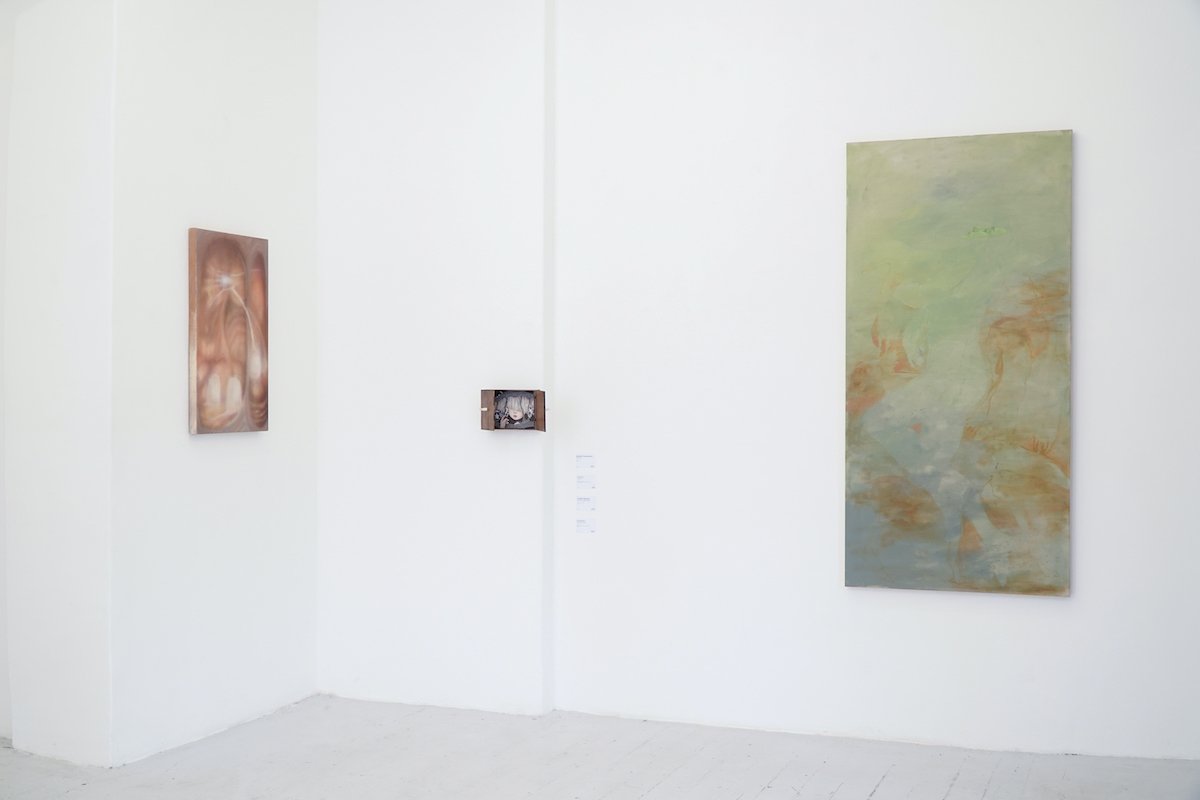
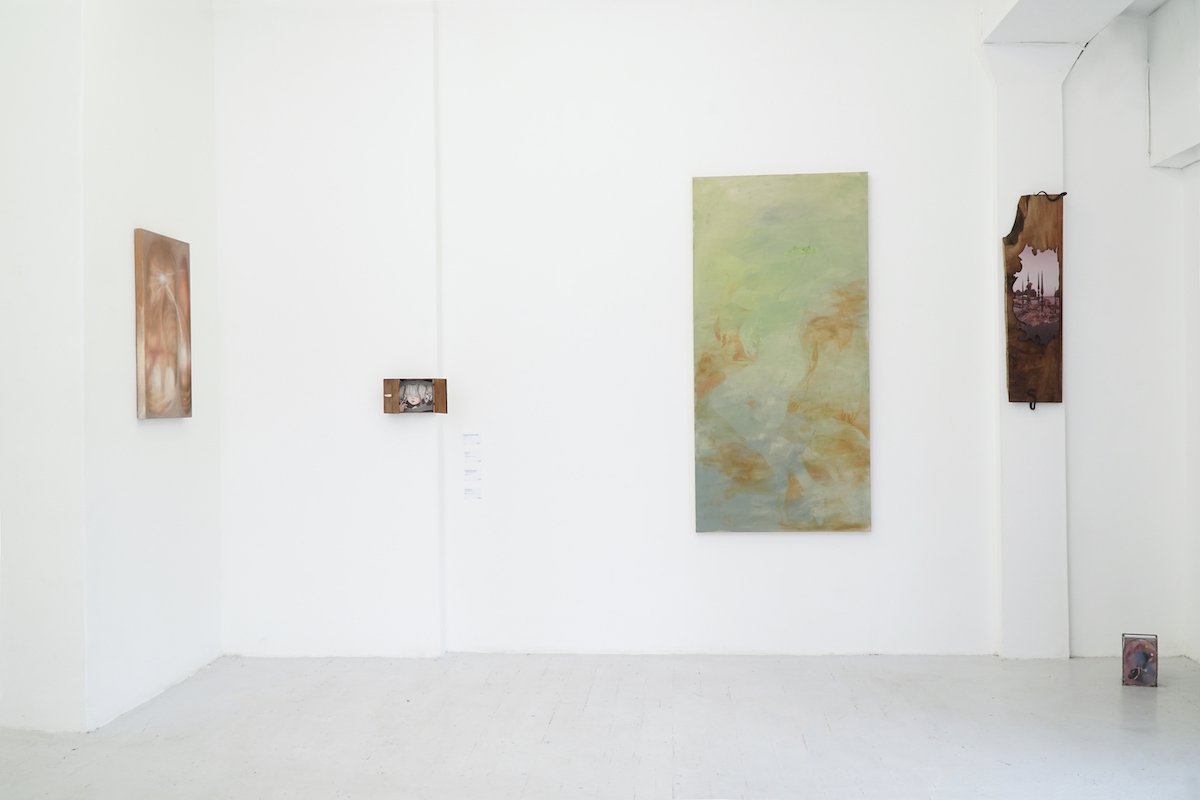
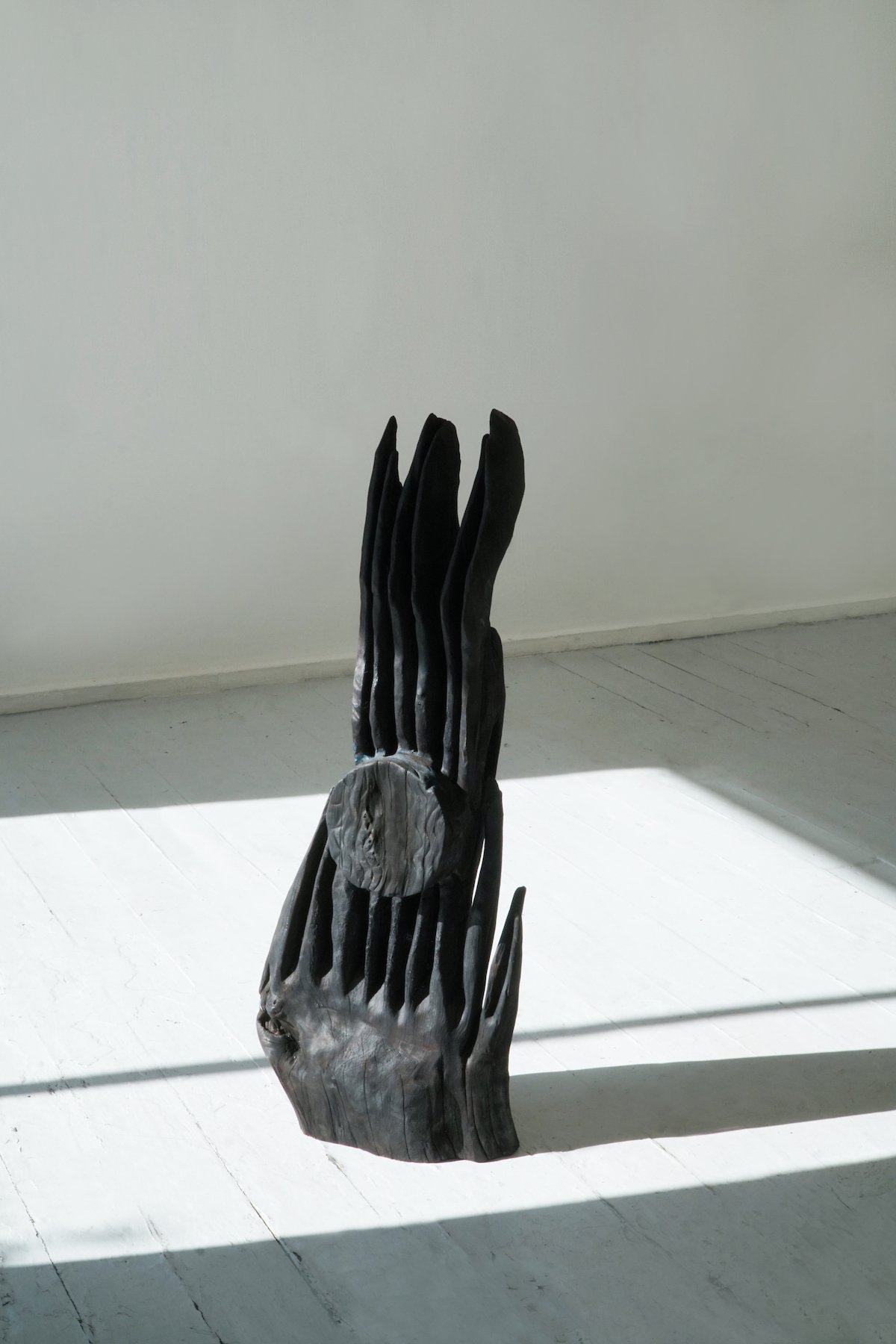
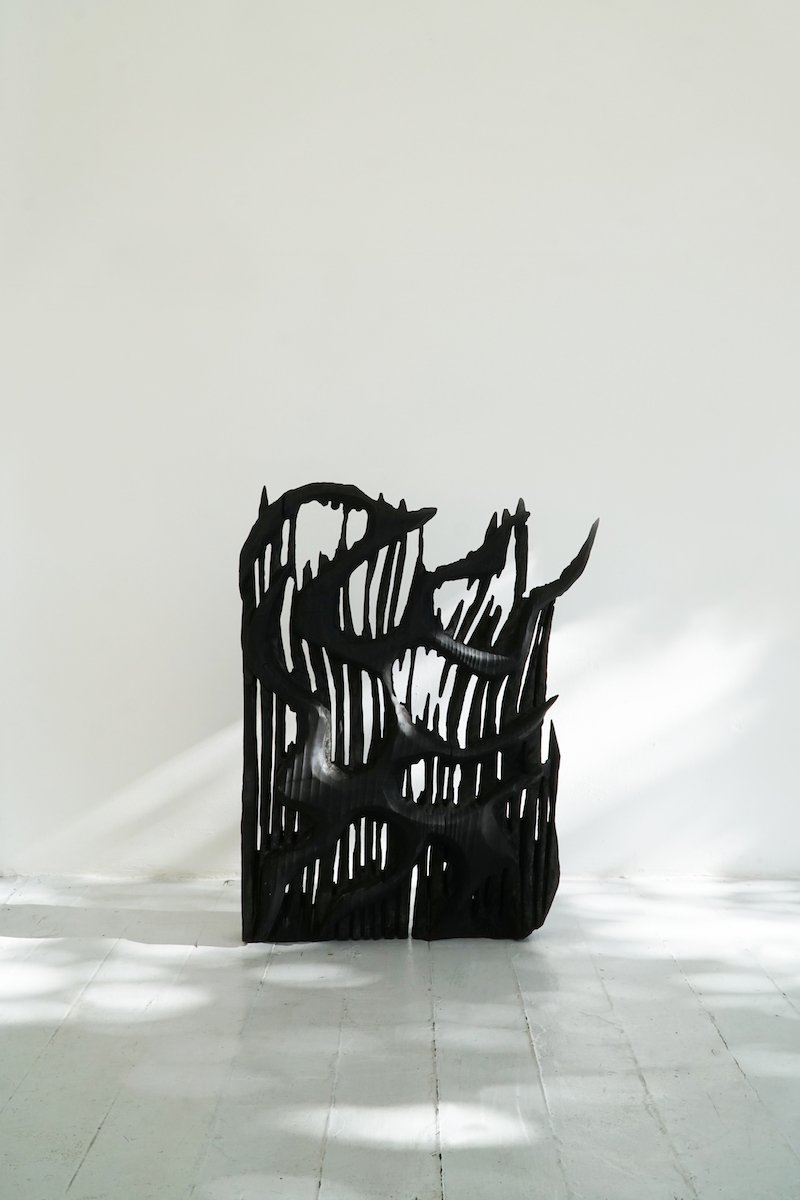
Presented and produced by INKU Sphere in collaboration with Somers Gallery, Pending Response brought
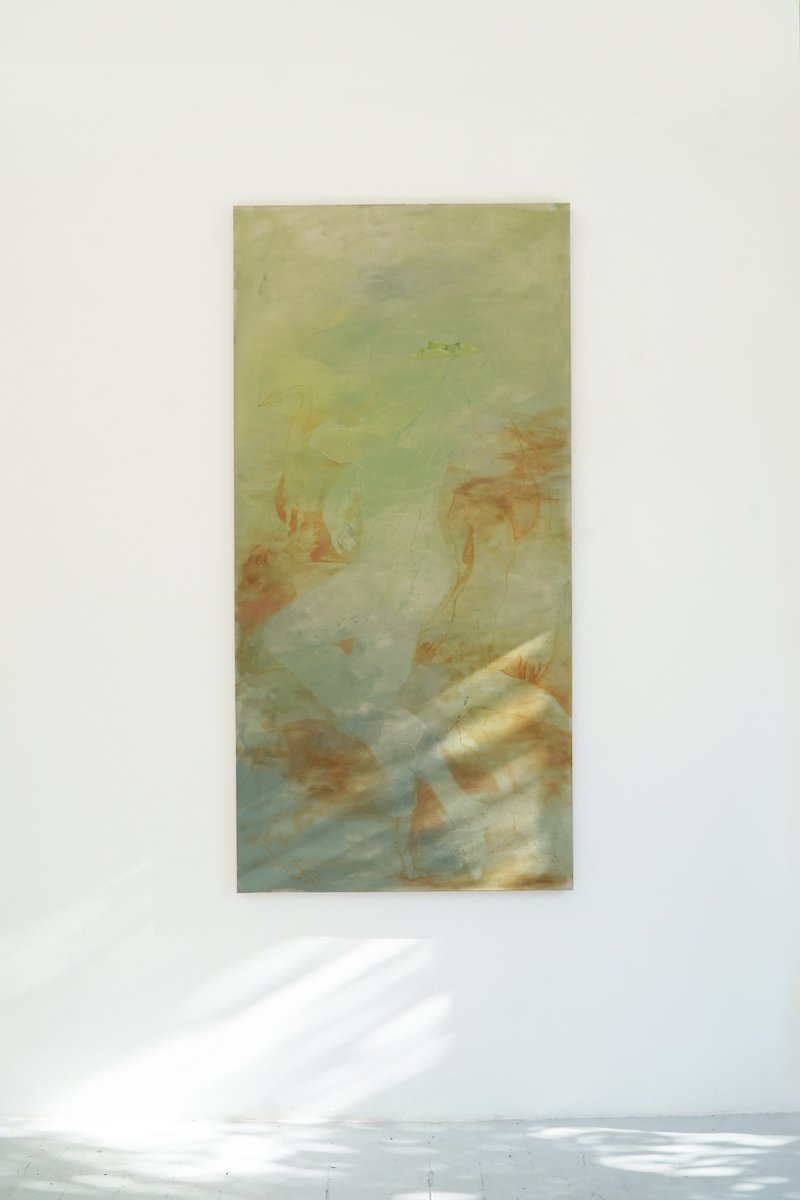
together 18 artists working across painting, sculpture, photography, installation, artist books, glass, ceramics,
sound and performance. Curated by Shuning Liu, the exhibition examined waiting not as empty time, but as
a condition produced when personal, institutional and social rhythms no longer move together.
The exhibition drew on Henri Lefebvre’s Rhythmanalysis, Jonathan Crary’s 24/7 and Roland Barthes’ A
Lover’s Discourse to consider how time moves between the structural and the intimate. The body, work, the
city and its institutions operate at different speeds. When one rhythm becomes dominant, others are required
to adjust, slow down or stop. Under the continuous demands of contemporary life, people are expected to
remain available, connected and ready to respond, while rest, interruption and withdrawal become
increasingly difficult.
These expectations are not distributed equally. Some people are required to answer immediately, while
institutions and those with greater power can leave others waiting without a clear limit. The speed of
response is therefore never simply a personal choice; it reveals who is permitted to delay, who must remain
available and whose time is treated as expendable. As this external organisation of time enters emotional
life, silence begins to produce its own activity: checking, interpreting, anticipating, doubting and repeatedly
correcting oneself.
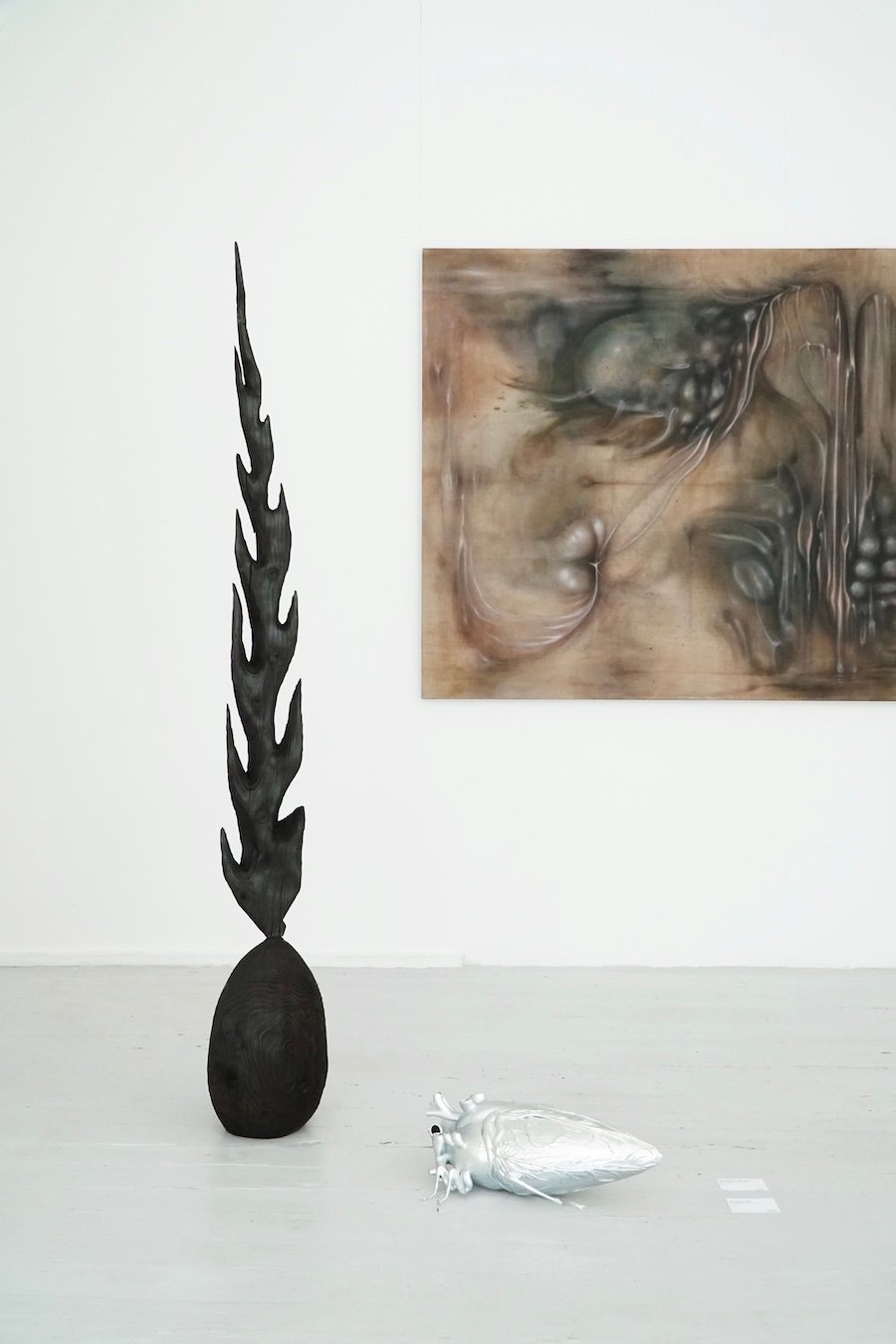
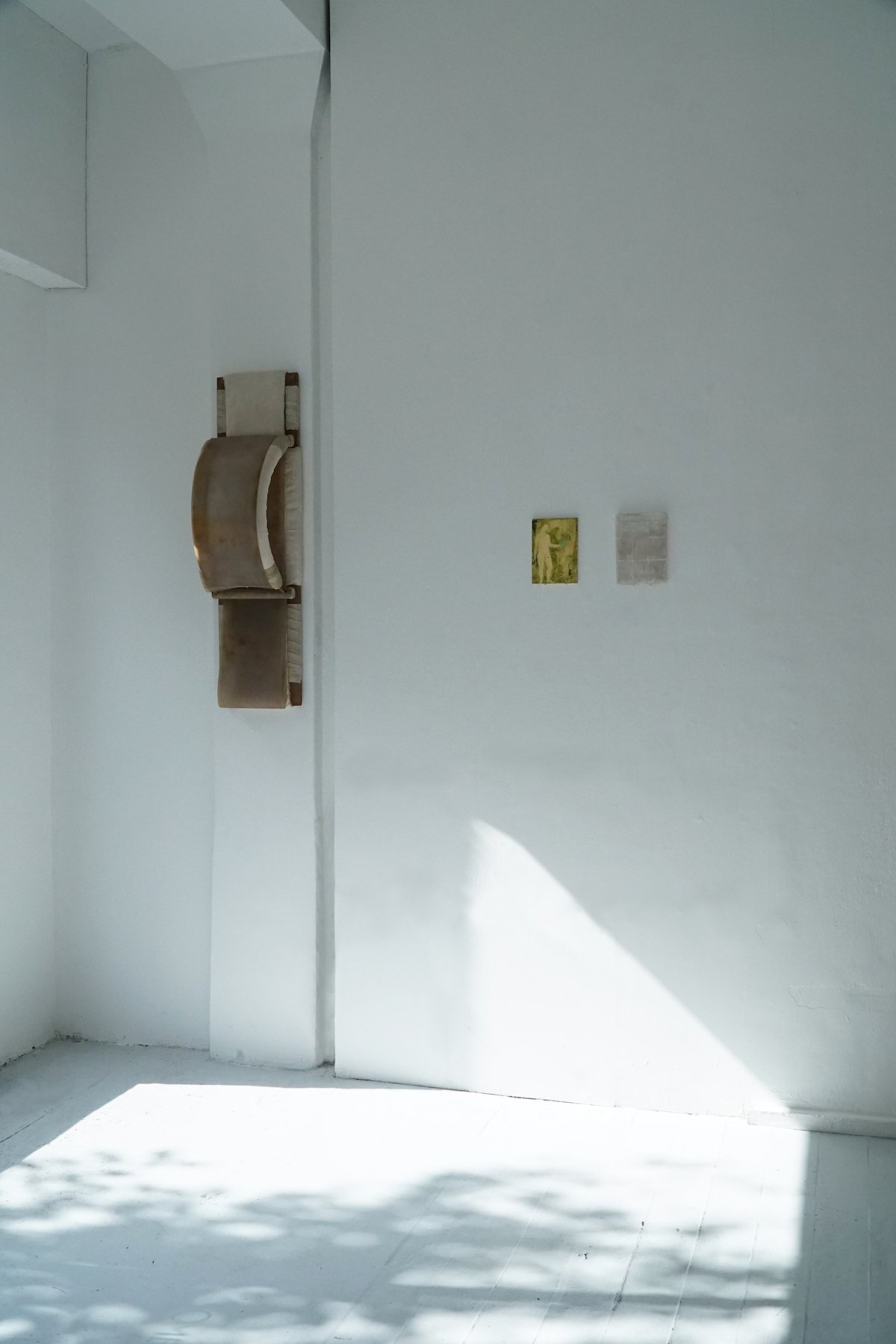
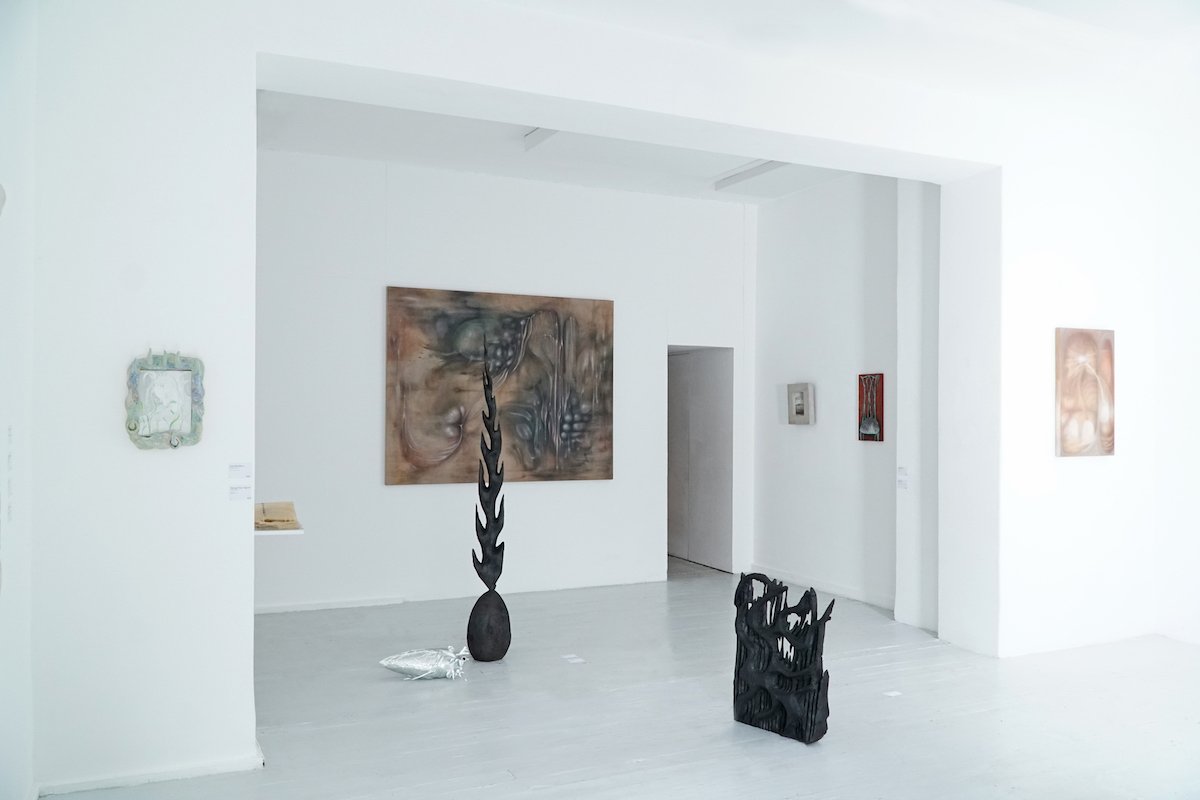
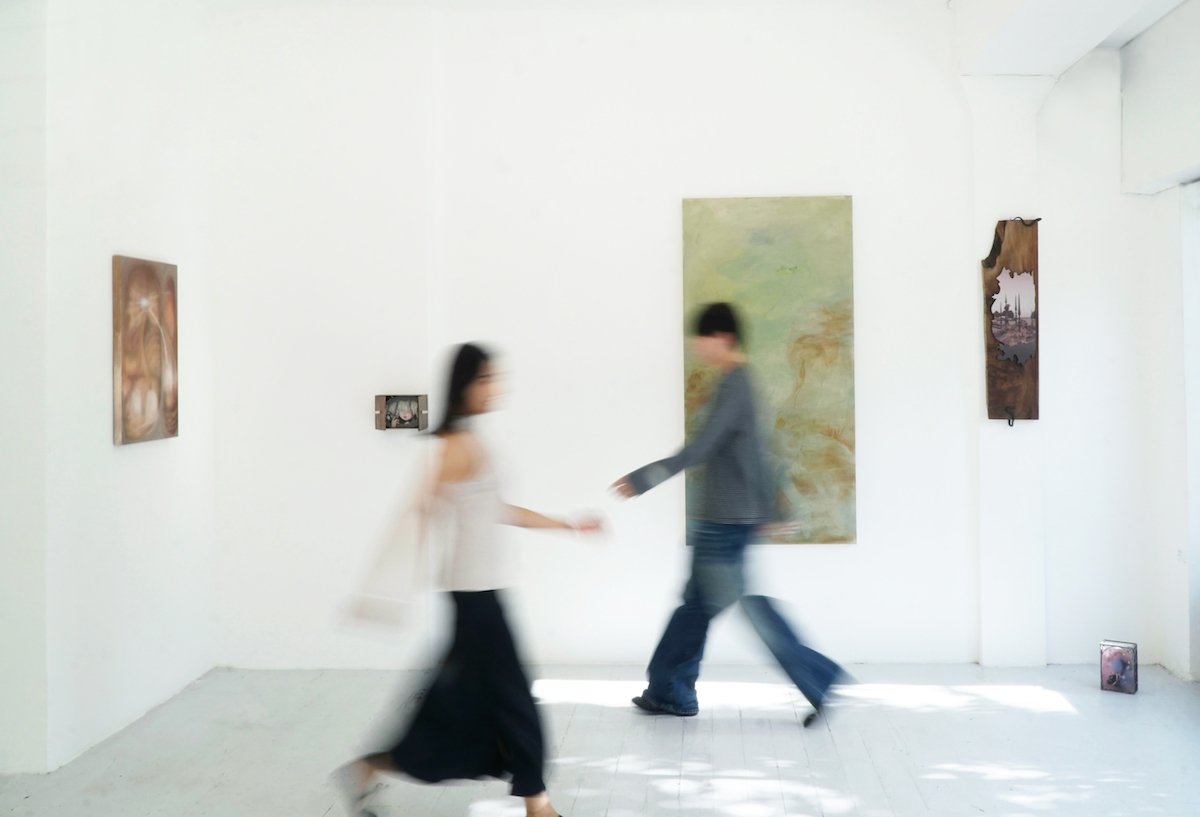
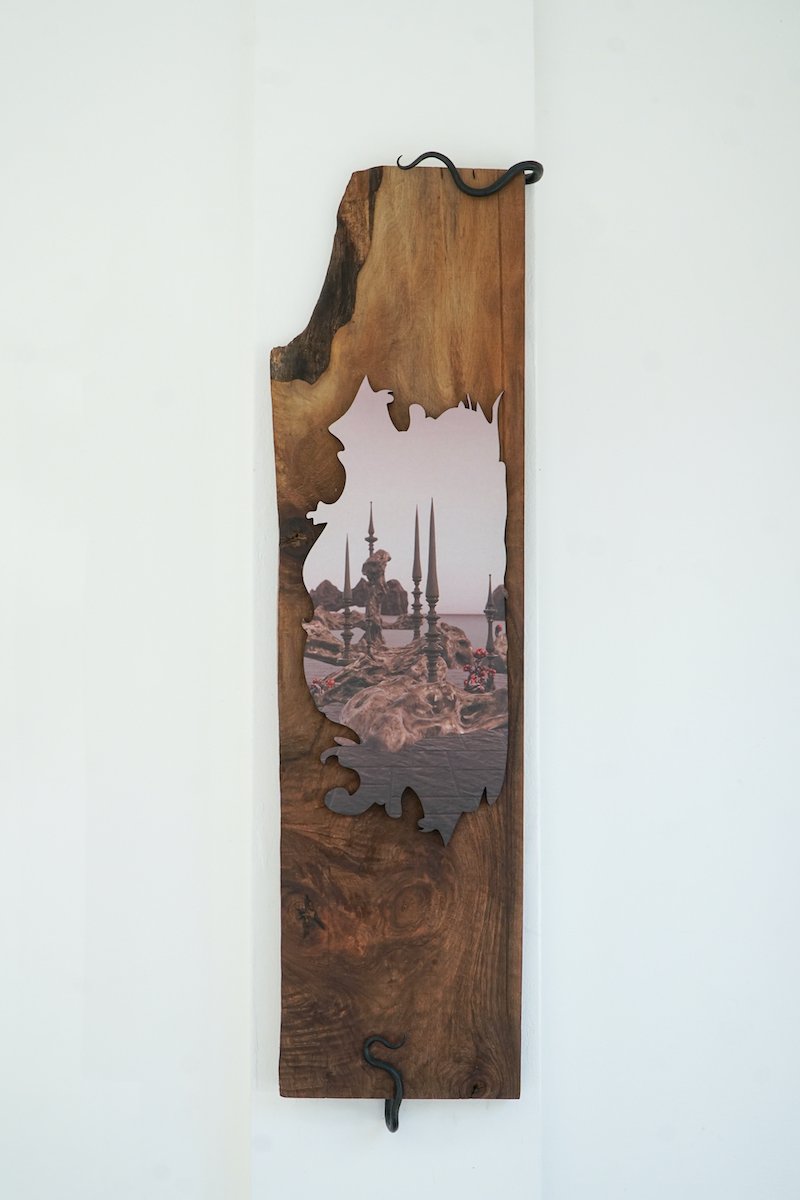
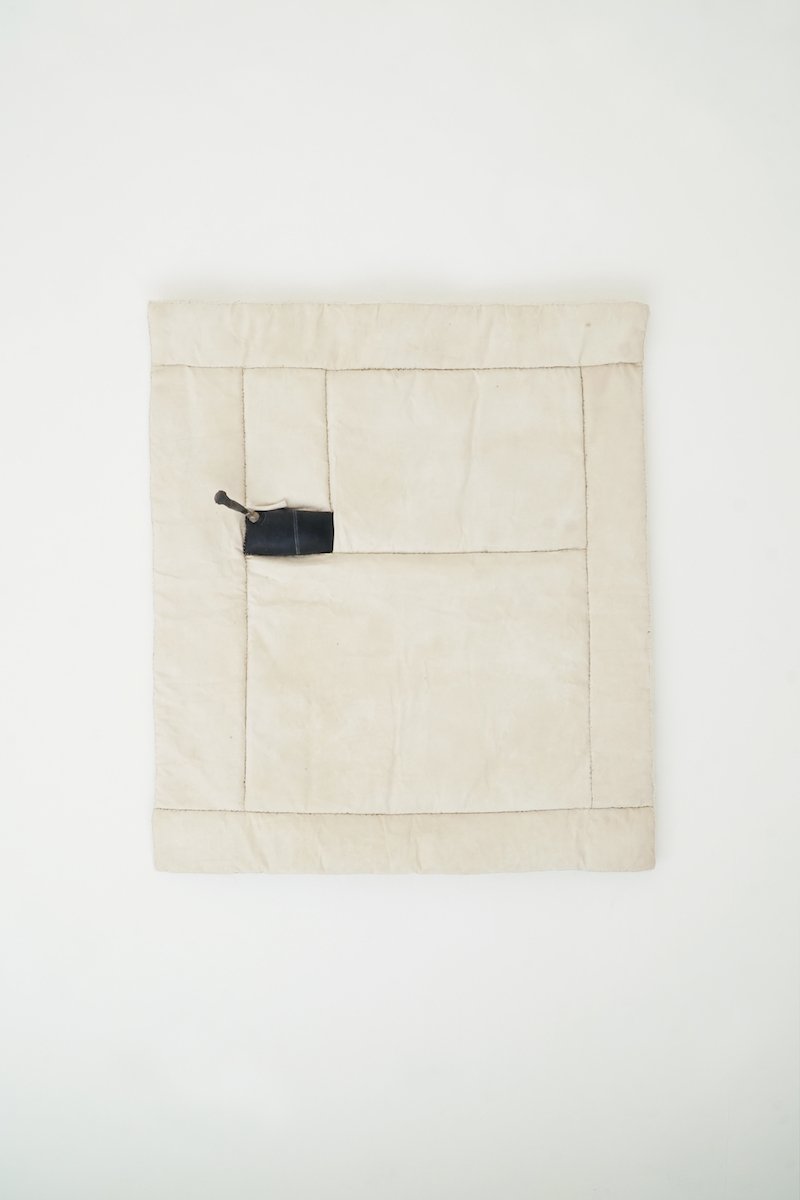
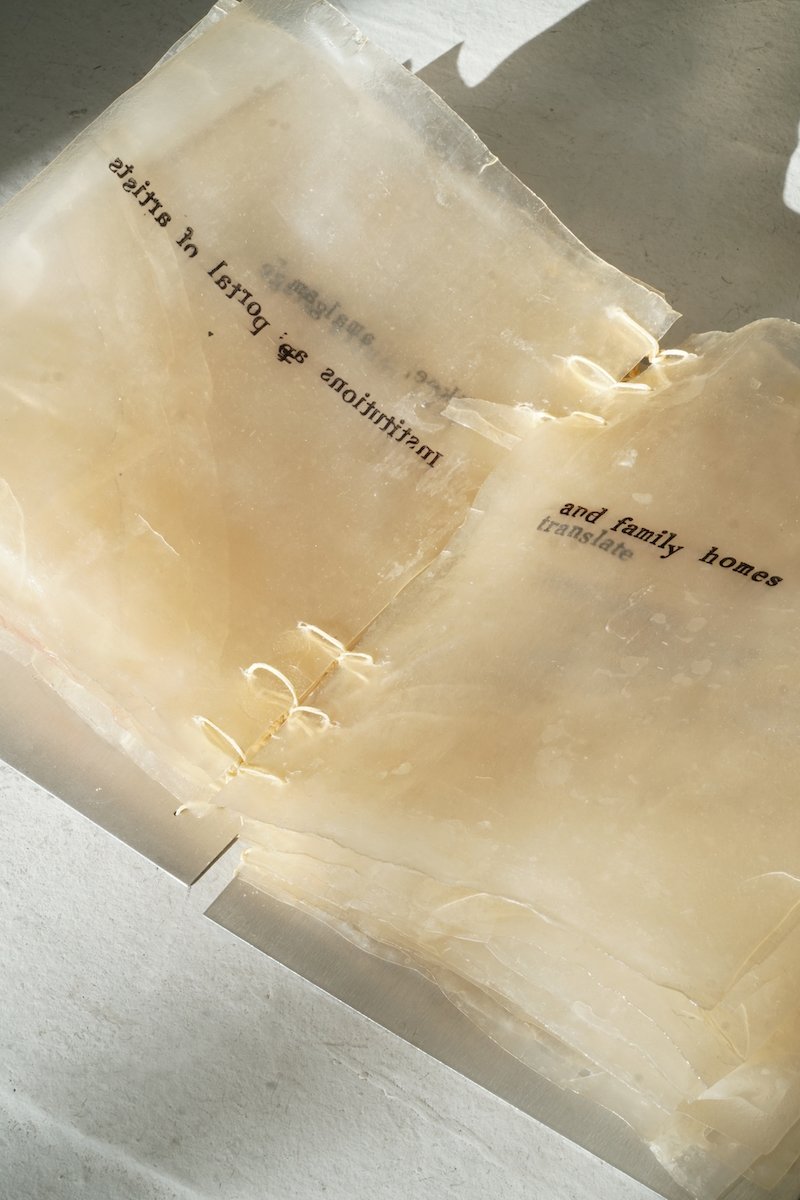
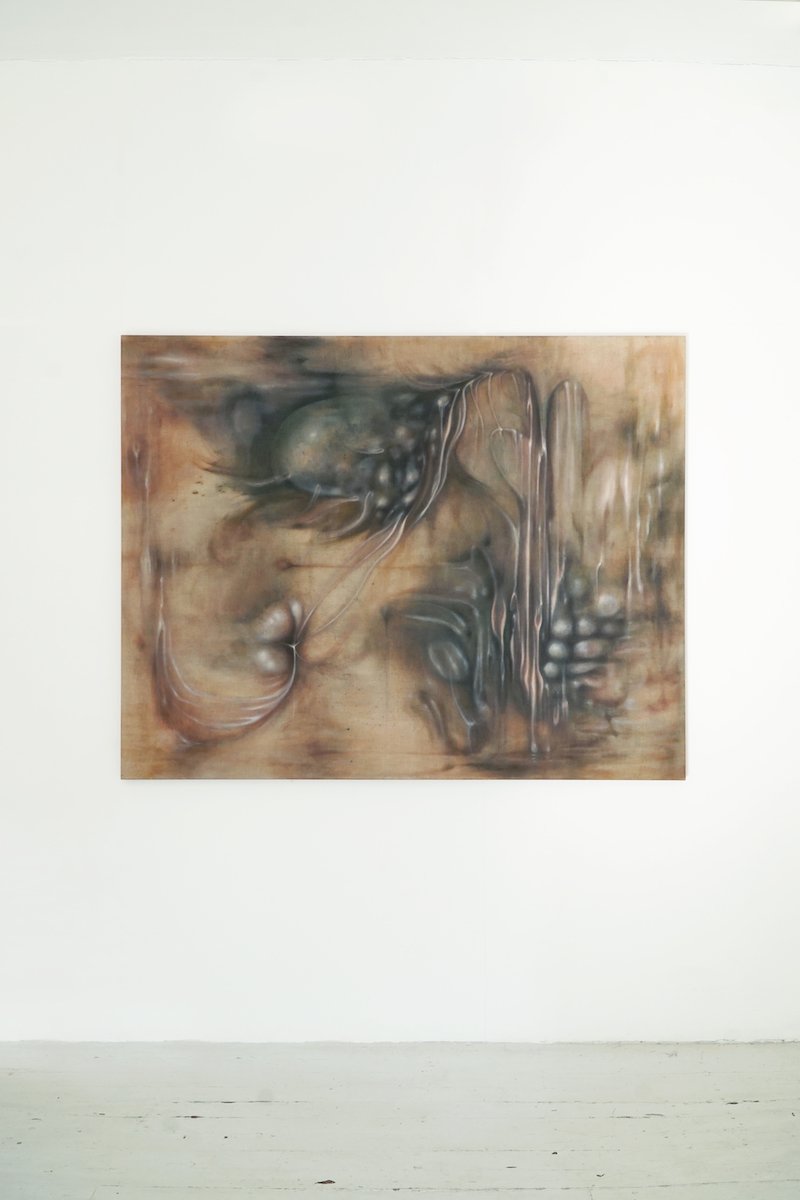
At Somers Gallery, these conditions settled into the physical life of the exhibition. A valve remained closed. A
chair held the place of somebody absent. A window offered a view that could not be entered. Materials
leaned, rested, sealed, stretched or waited for touch. Across three chapters—Received, Pending and
Response?—the exhibition moved from messages and experiences that had arrived without necessarily
being acknowledged, towards bodies, materials and relationships suspended between incompatible rhythms.
The final chapter remained deliberately unresolved, asking whether a response might emerge through touch,
adaptation, resonance, survival or repair without becoming a fixed answer.
The exhibition’s location on Chalton Street was central to this enquiry. Somers Town has long been shaped
by migration, railway expansion, social housing and repeated redevelopment. The arrival of Euston, King’s
Cross and St Pancras transformed the surrounding area into a major point of movement and employment,
while also bringing demolition, overcrowding and displacement. Here, waiting could not be understood as a
purely private emotion. It was connected to housing, welfare, migration and decisions made
elsewhere—systems that determine when a person can move, remain, return or be recognised.
Within this context, healing did not mean escaping uncertainty or returning quietly to the rhythm already
imposed. It began with recovering the right to pause, withdraw, refuse and respond differently. Pending
Response called for a more equal relationship with time: one in which responding is not an obligation
imposed only on certain people, and waiting cannot be prolonged indefinitely by those with greater power. A
pause might then become more than suspension. It might create room for attention, rest and repair—and for
another rhythm to begin.
Participating artists
Anna Bochkova / Duong Thuy Nguyen / Isabelle Zetterström / Jamie Mills / Jonathan Lei / Léa Porré /
Sol Bailey Barker / Xanthe Burdett / Kuo Wu / Lei Lei / Meng Yuan / Minhua Wang / Rosie Wang / Suwei Xia
/ Tianle Zhao / Zengyu Xie / Zhixuan Jiang / Ziyi Yan
About INKU Sphere
INKU Sphere is a London-based contemporary art platform founded in 2024. Guided by the principle of
artists supporting artists, INKU develops exhibitions, research and collaborations that connect artistic
practice with social wellbeing, psychological resilience and contemporary emotional life. The platform works
across cultural and geographic contexts to create sustained visibility, exchange and professional support for
artists.